The Problem.
A manufacturing client faced total downtime on a heavy-duty Trumpf press brake after its original OEM control system suffered a complete, non-recoverable failure. Because legacy OEM replacement controls are often obsolete, prohibitively expensive, or require massive lead times, the client needed a reliable alternative to salvage an otherwise mechanically sound machine.
Our Engineering & Retrofit.
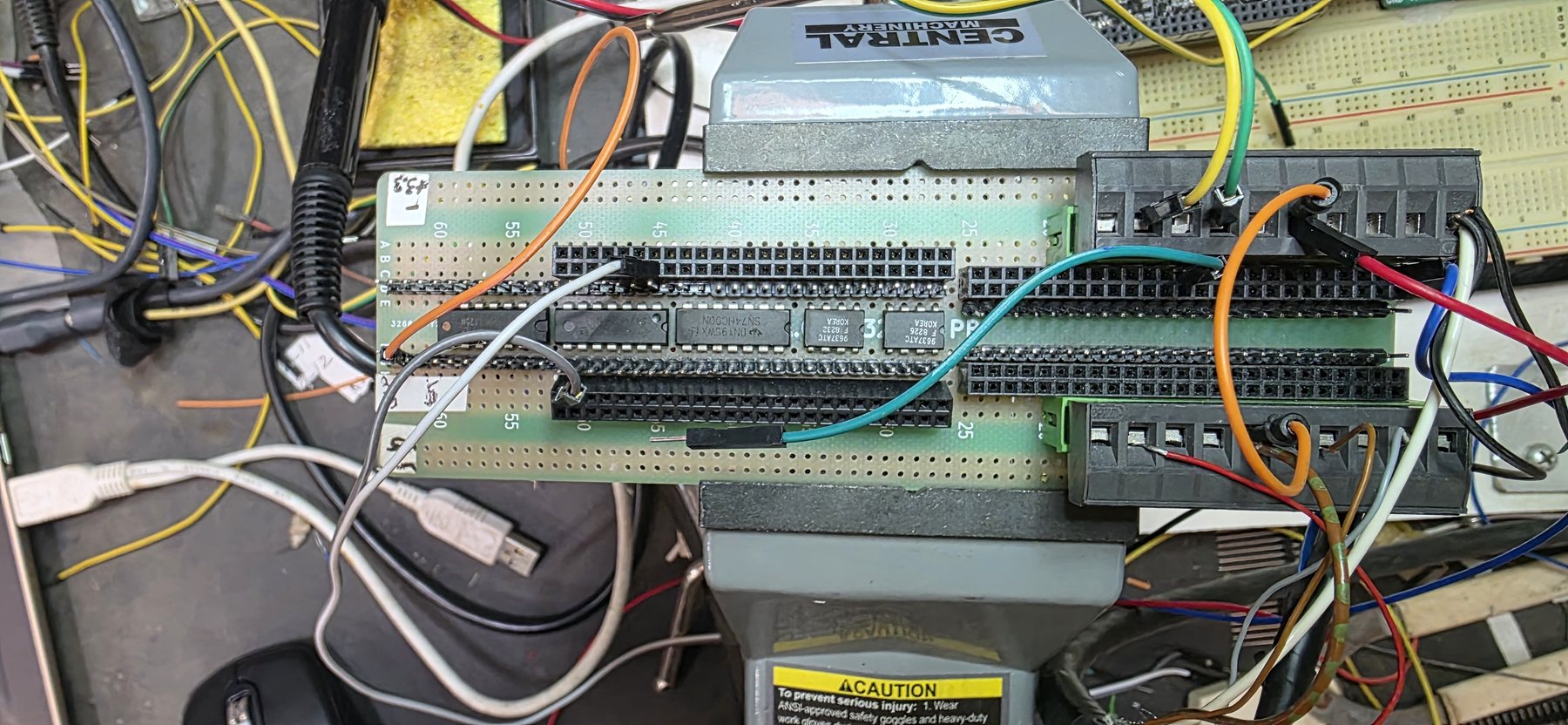
Rather than relying on off-the-shelf workarounds, we engineered and built a complete, proprietary press brake controls package from the ground up. We designed custom press brake control cards specifically built to mount cleanly inside the existing electrical cabinet. This custom hardware interfaces directly with the press brake’s existing hydraulic valves, linear scales, sensors, and safety limit switches without requiring a costly mechanical teardown.
Custom HMI & Tooling Integration.
To give operators modern, intuitive machine control, we developed a bespoke Human-Machine Interface (HMI) software platform. Built around real-world shop floor workflows, our custom HMI natively accepts and parses standard tooling files, allowing operators to load bending profiles and run production jobs with minimal training.
The Outcome.
We transformed a dead, obsolete press brake into a modern, fully supported production asset. By building both the cabinet-level control cards and the operator HMI in-house, we eliminated future OEM vendor lock-in and saved the client tens of thousands of dollars compared to purchasing a replacement machine.
Industrial · Field notes
Custom Controls Package & HMI Retrofit — Trumpf Press Brake
Legacy OEM control system on a Trumpf press brake suffered a complete, non-recoverable failure, halting production. Engineered custom cabinet-level control cards and developed a bespoke HMI interface that accepts standard tooling files. Tied directly into the existing hydraulics and sensors, rescuing the machine without costly OEM lock-in or full replacement.
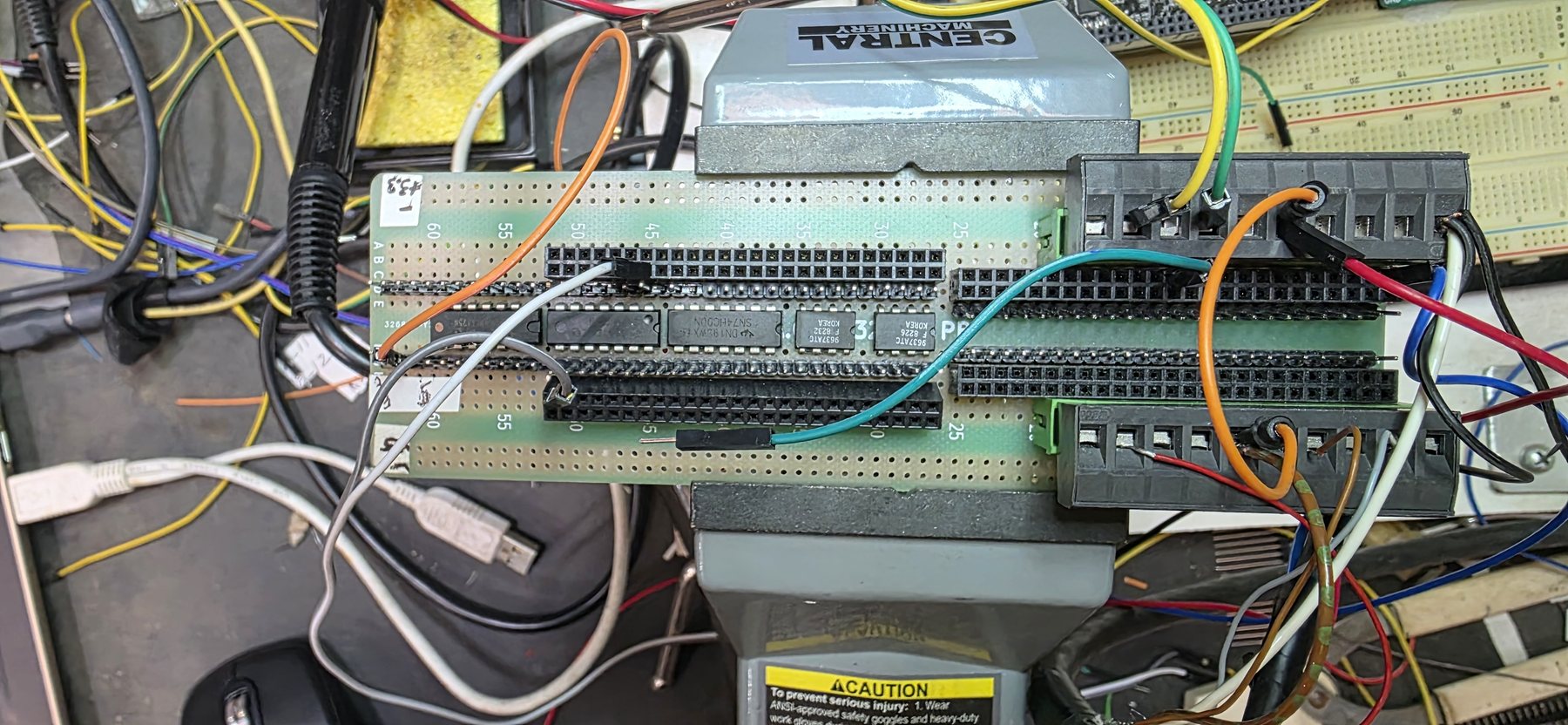
Photos from this project
Every image below is explained in the caption.
Need this kind of work done?
Industrial controls, retrofits, board-level repair and IT — one team, one call.